
About
When Julia Thomson-Smith joined MAC Makes Music as Creative Producer, she got in touch to discuss how we might work together. I’d previously written a series of case studies for her predecessor, Holly Radford, capturing learning from a Youth Music-funded programme to embed inclusive practice in music education hubs.
This time, the brief was more open – and more ambitious.
MAC Makes Music wanted to go further than simply showcasing good work. The goal was to open up a national conversation: what could youth voice in music education really look like, if we reframed the way we think about young people and change?
How I helped
What followed were a series of conversations spanning systems change, design thinking, storytelling, activism, and relationships-based practice.
Together, we asked:
- Is it time to rethink youth voice and power in music education?
- What could we learn from young activists working in other parts of the world?
- Could relationships-based practice offer a more human, more effective way forward?
Through my work with international development organisation IRC, I introduced Julia to Shomy Hasan Chowdhury – a youth activist and co-founder of the global youth-led organisation, Awareness 360. We commissioned her to carry out a series of interviews, exploring ideas and experiences around our ‘problem and opportunity’, for which we provided a wealth of background research.
Shomy spoke to musicians, educators and youth advocates from 10 countries including Bangladesh, Fiji, Canada, the UK and the US. The interviews touched on access, equity, cultural relevance, and what it takes to shift mindsets and structures.
In parallel, we explored the work of The Relationships Project – a UK-based initiative focused on putting human connection at the heart of policy and practice. We invited Immy Robinson from the Project to co-create a session with us for the Music Mark national conference.
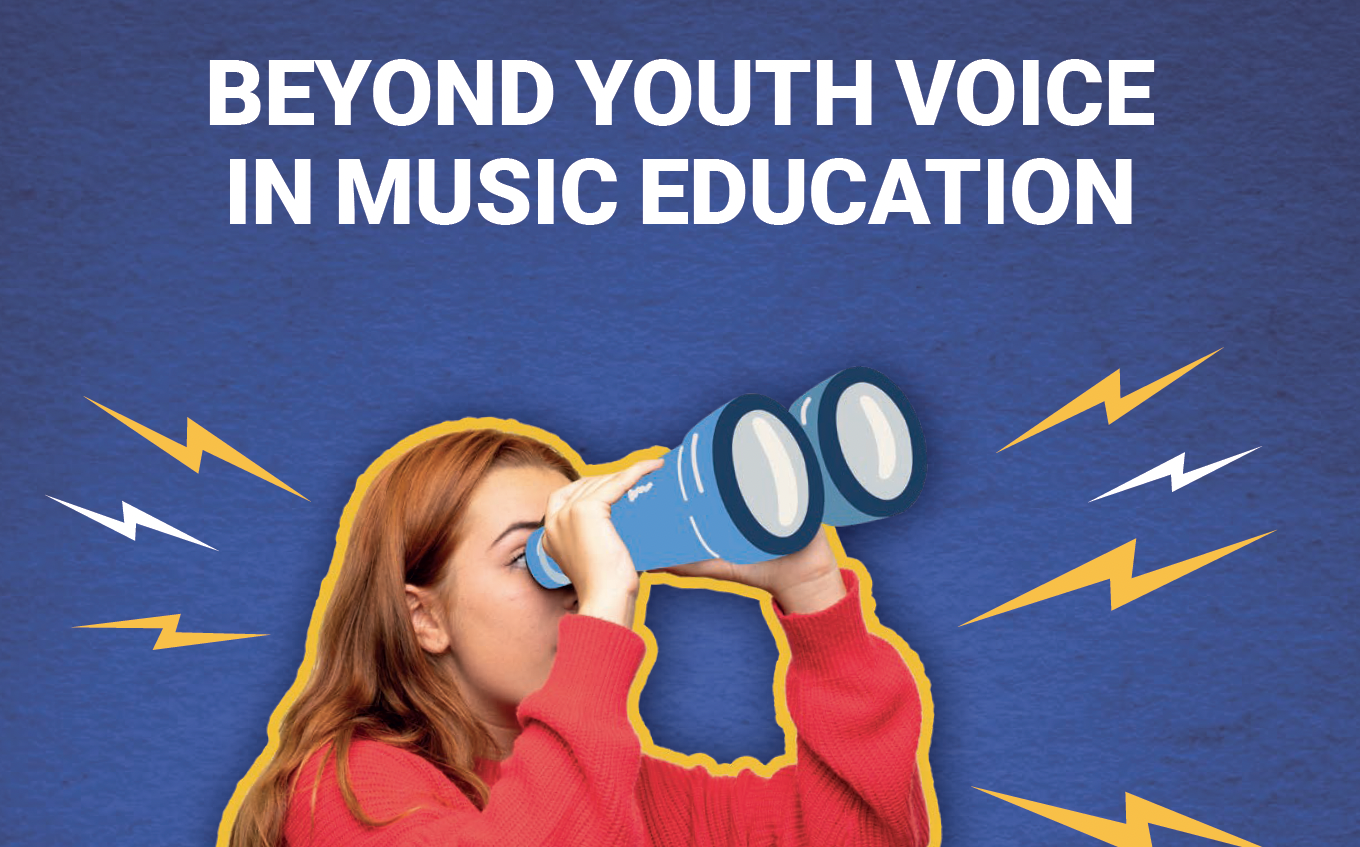
The result was Beyond Youth Voice: a report and a presentation at the Music Mark music education conference 2024, that distilled these conversations and Shomy’s recommendations into a starting point for change.
We received positive feedback from the Music Mark audience, and we hope the ripple effects will continue long into the future – sparking reflection, fresh dialogue, and bolder action within and beyond music education.
A video of the session will be available on the Music Mark website late summer/Autumn 2025, and I will share it here too.