
About
When Sara (not her real name) first approached me via one of the Arts Councils, she had a strong project idea, but wasn’t sure how to frame it effectively for the funder’s application process. She hadn’t applied for funding before because, having both dyslexia and ADHD, the process of reading, understanding and responding to the questions were a challenge.
How I helped
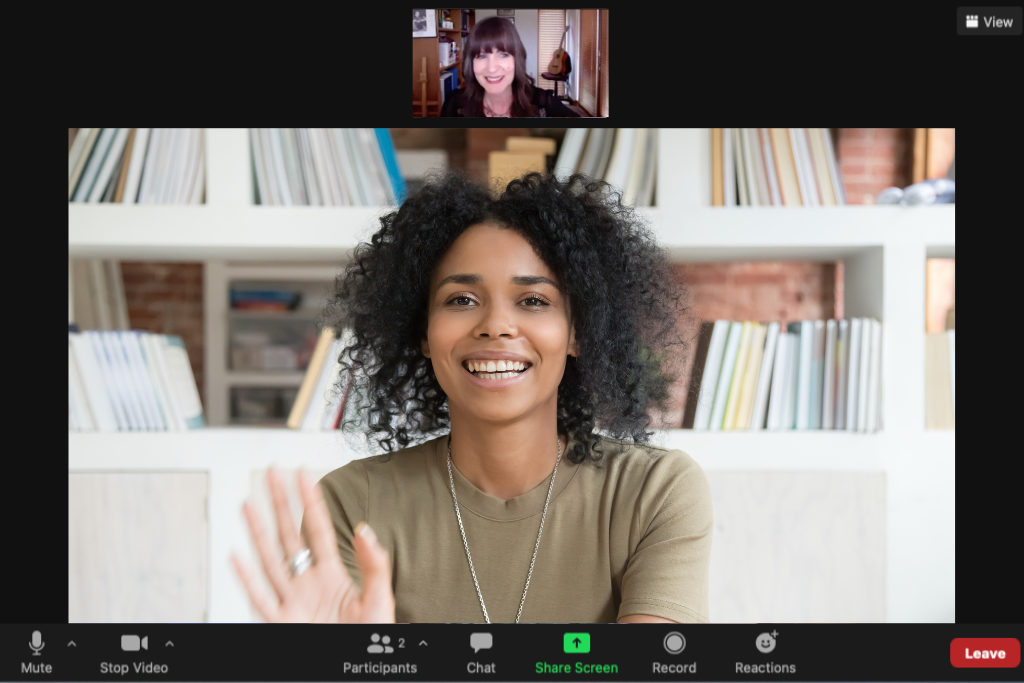
We began with a short online meeting to introduce ourselves and talk through the funder’s guidance. This gave us both a strong sense of the project’s aims and what the funder was looking for, and helped Sara feel more at ease with the whole process.
After that, I set up an online folder for us to work in, containing everything we’d need: a text version of the application form, a document to draft any additional information, and copies of the funder’s guidance. We then met for a longer ‘deep dive’ conversation, where Sara talked me through her ideas in more detail. I asked questions, took notes, and helped her start to uncover the real heart of the work—its purpose, its reach, and why it mattered. Sara later said this was a really energising part of the process, as it helped her articulate ideas that had previously felt a bit abstract or difficult to pin down.
From there, we worked steadily through each application question, talking through potential answers together before I drafted and refined the text. I took care to keep Sara’s voice and vision front and centre, while ensuring we were meeting the funder’s criteria. Over the next couple of weeks, we had two further meetings to review the wording, clarify details, and strengthen the story we were telling.
Sara said that she appreciated having time and space to reflect between meetings, as well as the reassurance of having someone experienced to guide her through each step.
At our final session, Sara shared her screen and we transferred everything over to the funder’s online portal. Sara said that the process felt ‘calm, well-paced, and collaborative’ and she was confident that the application represented her project.
A few months’ later, she found out she’d been awarded the funding. This of course doesn’t always happen – but it’s a real cause for celebration when it does.
Free advice
The Uncultured – free resources and templates for artists and arts organisations
Chartered Institute of Fundraising – advice for small charities
Fundraising for artists – the ultimate guide (from a New York collective, but still useful for those based in UK)