
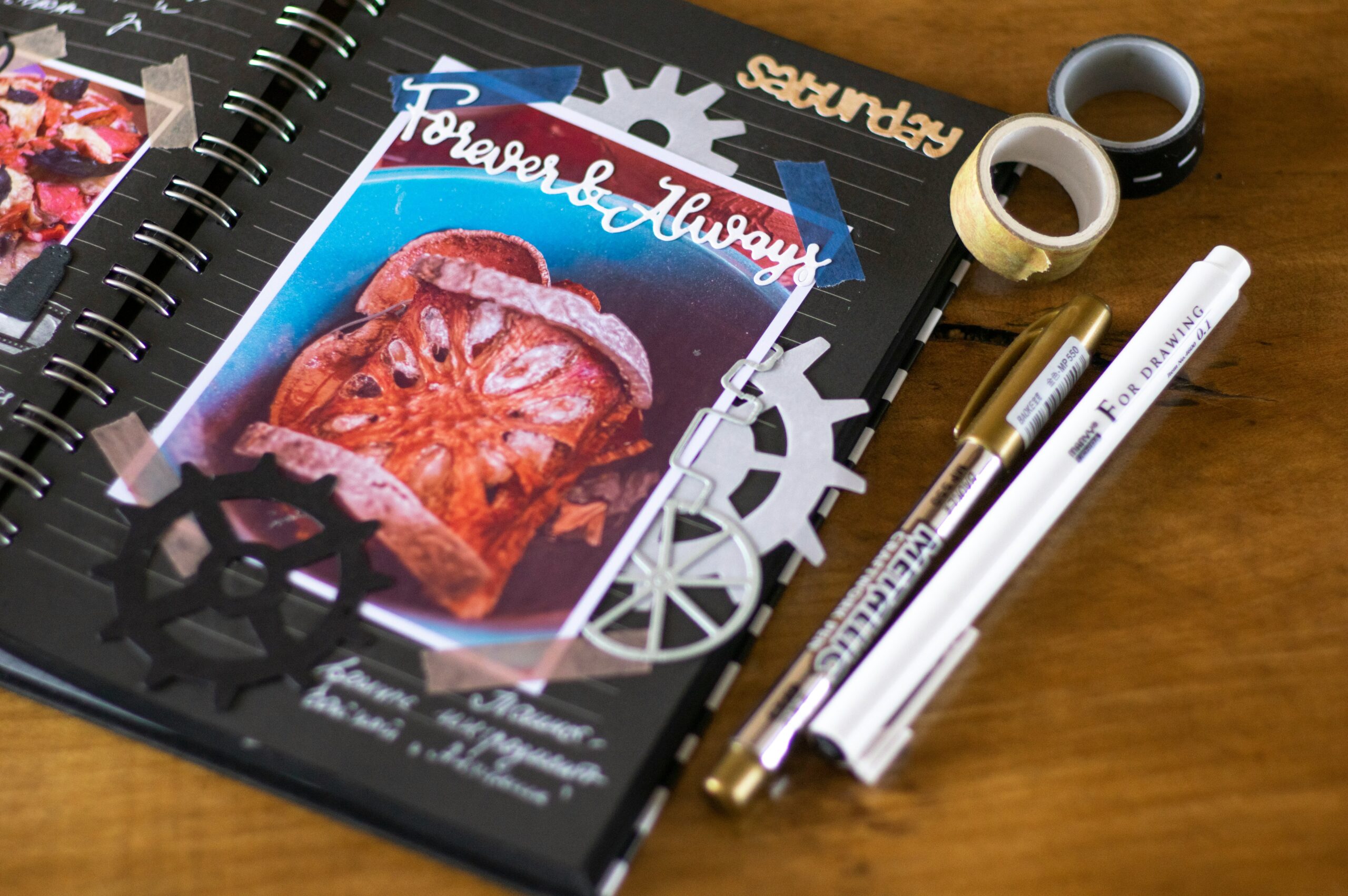
As an adoptive mum, I’ve learned that lifestory work isn’t just about timelines and photo albums. It’s about identity – helping a child understand who they are, where they’ve come from, and how their past connects to their present.
My daughter joined our family through adoption aged seven and a half. For her, lifestory work has meant piecing together fragments of stories, images and social work ‘data’ from her early life – some of which were missing entirely. We had to lobby social services to get as full a lifestory book as possible, to replace the very sketchy booklet she had originally. She said:
“My first lifestory book enabled me to answer the questions with my foster mum about my life. But that meant it missed a lot of information.”
“Having a lifestory book doesn’t answer everything, or give closure. But it gives you a documented summary of your past that makes you feel that it does matter.”
For a child who no longer lives with or has contact with their birth parents, these written and documented stories do matter. Without a coherent narrative, care-experienced children and young people can find it harder to form a secure sense of self. That can affect school, relationships, confidence, and the way they show up in creative spaces.
That’s why I want to point you towards an insightful conversation on the Blue Cabin Podcast with trainer and care-experienced advocate Mary-anne Hodd. Mary-anne shares what it was like to grow up in care, including the moment, as an adult, when she received her social work files. Her reflections are relevant to anyone working with children whose early experiences may not fit the ‘standard’ family story.
For those of us working with young people through music and the arts – there are lessons here about empathy, trust, and the environments we create. A child who feels their history is too ‘different’ or ‘complicated’ might hesitate to take part and take risks. They may mask parts of themselves to fit in. But music and the arts can be a space for their whole selves, where they can explore themselves, their creativity, and the world around them.
We all know that songs can be a safe way to express complex emotions. Drama can help young people explore different versions of their story. Visual art can bring abstract memories into tangible form. None of this replaces formal therapeutic work – but it can complement it, giving young people more tools to understand and share who they are.
Listening to Mary-anne, I was reminded just how big a difference trusted adults made to her: those who listened without judgement, who believed her, who kept showing up. And I know that for many young people, those trusted adults are the musicians, artists and creatives that are educators, leaders and facilitators of learning and participation.
So, whether you work in a classroom, a rehearsal studio, or a community arts space, do have a listen to Mary-anne’s story. It’s a reminder that every young person brings their own lifestory into your space.
Listen to the full conversation here:
Blue Cabin Podcast – Mary-anne Hodd
Listen to the podcast that I recorded with Blue Cabin founder, Jenny Young, here (or on your favourite podcast app):
https://writing-services.co.uk/podcast/podcast-48-growing-a-trauma-informed-creative-organisation-with-jenny-young-of-blue-cabin/
Check out Blue Cabin’s websites here for further information and resources:
Blue Cabin website
Creative lifestory work website
Photo by Elena Mozhvilo on Unsplash